Core Drilling Best Practices: Ensuring Accuracy and Safety in Every Project

Ashton Sawing and Drilling • July 17, 2026

Discover the Best Practice for Concrete Core Drilling

Core drilling demands steady hands, the right equipment, and a clear plan for every cut. This blog breaks down proven best practices that keep projects on track while protecting crews, structures, and timelines. A well-executed concrete core drill supports clean openings for plumbing, electrical, and structural needs without costly rework. Each step covered here reflects practical knowledge that crews can apply immediately for safe, accurate results. Keep reading to learn more.

What Is Core Drilling?

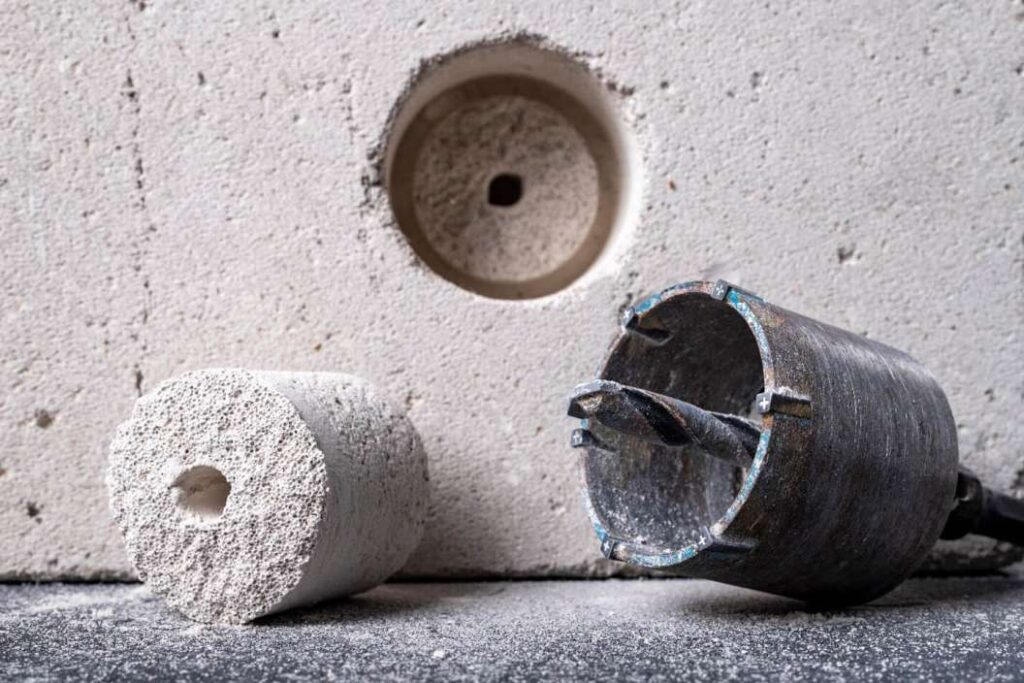
Core drilling creates precise, circular openings in concrete using specialized equipment designed for control and consistency. Concrete core drilling uses a rotating drill with a diamond-tipped bit to cut cleanly through reinforced surfaces without damaging surrounding areas. This method supports mechanical, electrical, and plumbing installations, as well as structural modifications that require exact dimensions. Operators rely on a properly selected core drill machine to match material density, depth, and diameter, helping deliver smooth cuts that maintain structural integrity and job site efficiency.

Pre-Drilling Planning Essentials

Planning sets the standard for accurate, efficient core work on any job site. Crews review structural drawings, confirm hole size and depth, and verify locations against field conditions before bringing in equipment. Utility detection and GPR scanning help locate rebar, post-tension cables, and embedded lines to avoid costly damage. Teams select the right core drill machine and bit for the material and scope. Clear access, stable setups, and proper water control plans support safe drilling and clean results from the first cut.

Choosing the Right Equipment

Selecting the proper tool sets the pace for clean, accurate drilling and keeps projects moving without delays. Each job calls for a carefully matched core drill machine that fits the material, diameter, and depth requirements. Crews must factor in power, stability, and site conditions to maintain control from start to finish. The right setup helps deliver smooth cuts, protects surrounding concrete, and supports consistent quality across every opening:

  • Match the Machine to the Job Size – Larger diameter holes require higher-powered rigs with strong torque to maintain a steady cutting speed. Smaller openings benefit from compact units that allow better control in tight spaces.
  • Choose the Correct Drill Bit Type – Diamond-tipped bits handle reinforced concrete and provide smooth, precise cuts. Bit quality and condition directly affect drilling speed and surface finish.
  • Consider Mounting and Stability Options – Rig-mounted systems offer firm support for deep or large-diameter drilling. Handheld units work well for lighter tasks where mobility is important.
  • Evaluate Water Management Needs – Wet drilling systems reduce dust and keep bits cool during operation. Proper water flow also extends equipment life and improves overall cutting performance.
  • Account for Job Site Access and Power Supply – Electric, hydraulic, and gas-powered equipment must align with available resources on site. Access limitations may require lighter, modular equipment that crews can easily position.

Setup for Maximum Accuracy

Proper setup controls the outcome of every core drilling operation. Crews begin by marking the exact drill location and confirming alignment with layout plans. A stable base or anchor keeps the core drill machine fixed in place during operation. Leveling the rig ensures a straight cut without drift. Operators check bit condition, secure all fittings, and confirm water flow for cooling and dust control. Steady pressure and consistent speed help maintain accuracy while protecting the equipment and the surrounding concrete.

Best Practices During Drilling

Successful core drilling relies on steady operation and close attention to detail throughout each step of the process. Crews must maintain control of the drill, monitor equipment performance, and adapt to material conditions as they work. Consistent technique supports clean cuts and protects surrounding structures from damage. Proper pacing, cooling, and alignment all contribute to achieving accurate results. Following proven practices helps crews complete each opening safely while keeping projects on schedule and meeting quality standards. Here are a few best practices to keep in mind while drilling:

  • Maintain Steady Feed Pressure – Applying consistent pressure allows the drill bit to cut smoothly through the concrete. Sudden force can damage the bit and reduce accuracy.
  • Monitor Water Flow During Cutting – Adequate water keeps the bit cool and reduces dust on the job site. Proper flow also improves cutting efficiency and extends equipment life.
  • Watch for Changes in Material Resistance – Shifts in resistance can indicate rebar or embedded materials within the concrete. Adjusting speed and pressure helps maintain control and avoid unnecessary wear.
  • Keep the Drill Aligned Throughout Operation – A stable position ensures the hole stays true to its intended path. Small shifts can lead to uneven cuts and affect the final result.
  • Inspect Equipment During Use – Regular checks help identify wear or loose components before they impact performance. Immediate adjustments support safe operation and consistent drilling quality.

Ensuring Worker and Site Safety

Safe core drilling depends on clear planning, proper equipment, and constant awareness on the job site. Crews secure the work area with barriers and signage to control access and protect nearby workers. Personal protective equipment, such as eye protection, gloves, and hearing protection, supports safe operation at all times. Equipment inspections and secure setups reduce risks before drilling begins. Ongoing communication between team members keeps everyone aligned, allowing work to progress smoothly while maintaining a strong focus on safety.

Common Challenges and How to Overcome Them

Core drilling projects often bring changing conditions that require quick adjustments and steady control. Material density, embedded steel, and site access can all affect how a drill for core drilling performs during operation. Crews must stay alert and respond with the right techniques to maintain accuracy and progress. Clear planning, proper equipment setup, and experienced operators help limit delays and protect results. Addressing challenges early supports clean cuts, safe work conditions, and reliable outcomes across every project:

  • Hitting Rebar or Embedded Materials – Reinforced concrete can slow progress and place extra strain on equipment. Operators adjust speed and use high-quality diamond bits to cut through steel while maintaining control.
  • Drill Bit Wear and Reduced Performance – Over time, bits lose cutting efficiency and create rough openings. Regular inspection and timely replacement keep drilling smooth and consistent.
  • Maintaining Proper Alignment – Movement during drilling can lead to uneven or inaccurate holes. Securing the rig and checking alignment throughout the cut helps keep the drill on the intended path.
  • Managed Water Flow and Slurry – Poor water control can create messy conditions and affect visibility on site. Proper containment and consistent flow improve cooling and keep the work area clean.
  • Limited Access to Drilling Locations – Tight or confined spaces can make positioning equipment difficult. Compact tools and careful planning allow crews to complete work safely in restricted areas.

Sustainability and Efficiency in Core Drilling

Efficient core drilling supports a cleaner job site and better resource use from start to finish. Crews use modern equipment designed to reduce energy use while delivering strong, consistent performance. Proper water management reduces waste and controls dust, keeping the work area safer and more organized. Accurate drilling reduces rework, saving time and materials on each project. Careful planning, routine maintenance, and skilled operation all contribute to a process that supports long-term sustainability while meeting demanding project schedules.

Get Reliable Results on Every Core Drilling Job

Reliable results come from the right plan, the right crew, and the right equipment working together on every project. A dependable team knows how to select the right drill for core drilling and execute each step with care and precision. We deliver consistent performance backed by real field experience and modern equipment. Reach out today to schedule service or discuss your project needs with a professional ready to get the job done right.

Concrete Core Drilling FAQs

What Is the Most Important Step Before Starting Core Drilling?

Pre-drilling planning plays a key role in achieving accurate results. Crews must review drawings, confirm drilling locations, and scan for embedded utilities before starting any work.

Why Is Water Flow Important During Core Drilling?

Water helps cool the drill bit and reduce dust on the job site. Consistent flow improves cutting performance and supports longer equipment life.

How Often Should Equipment Be Inspected During Drilling?

Equipment should be checked before, during, and after each operation. Regular inspections help identify wear or issues that could affect performance or safety.

Why Is Site Safety Critical During Core Drilling?

A secure site protects both workers and surrounding structures. Clear communication, protective equipment, and controlled access all support safe operations.

By Ashton Sawing and Drilling July 22, 2026
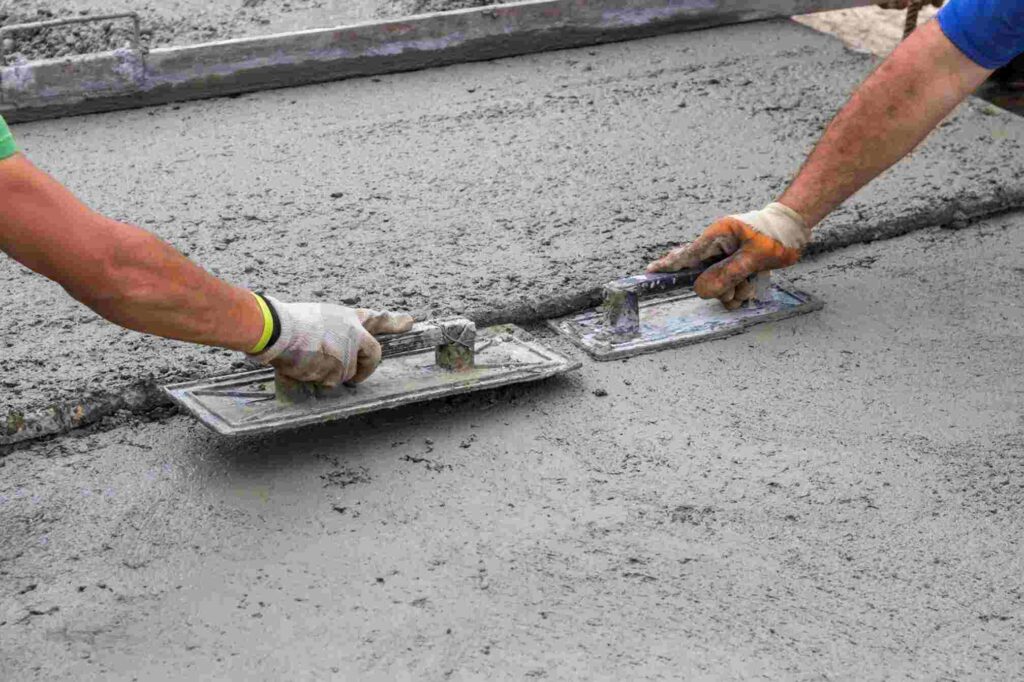
Discover how Ashton Sawing and Drilling supports advanced concrete placement techniques for complex, unique structures requiring precision and durability.
By rladmin July 22, 2026
Learn About Specialty Concrete Placement Techniques Concrete placement helps shape structures that demand strength, precision, and long-term performance. Specialized methods allow crews to handle complex pours, tight timelines, and one-of-a-kind builds with confidence. This blog explores how advanced techniques and skilled execution bring unique designs to life while meeting structural project requirements. You can expect […] The post Revolutionizing Concrete Placement with Specialty Techniques for Unique Structures appeared first on Ashton Sawing and Drilling.
By Ashton Sawing and Drilling July 20, 2026
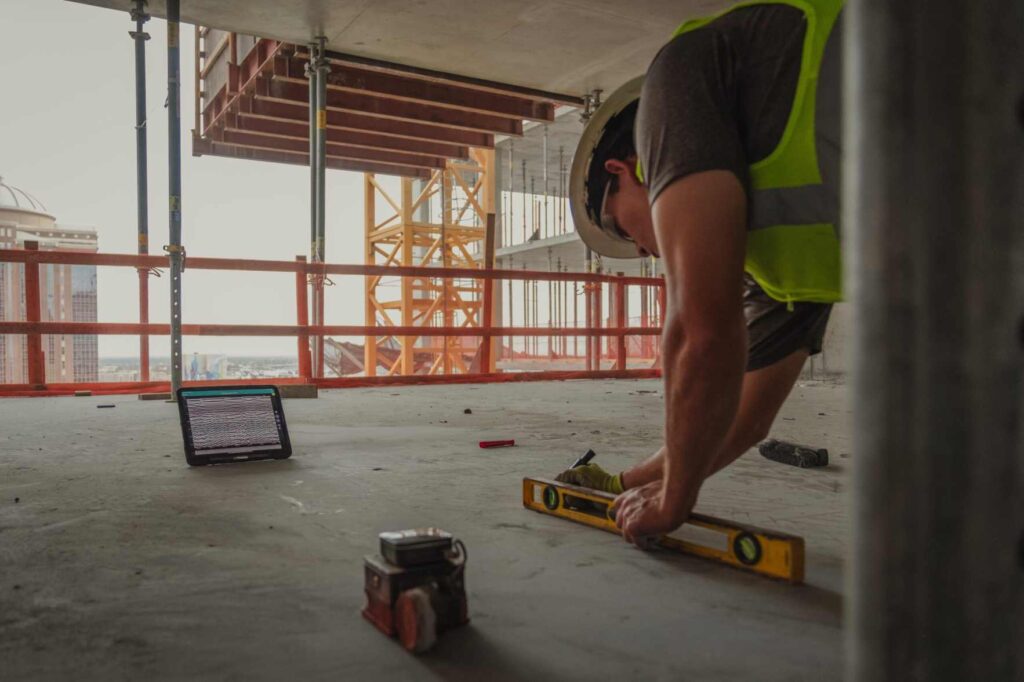
Discover how Ashton Sawing and Drilling uses advanced concrete scanning to detect hidden hazards and prevent costly mistakes in construction projects.
By rladmin July 20, 2026
Avoid Issues with Concrete Scanning Cost control and job site safety depend on knowing what lies beneath the surface before any cutting or drilling begins. This blog explains how concrete scanning helps crews locate embedded utilities, rebar, post-tension cables, and voids with accuracy, reducing delays and keeping projects on track. Our team has experience using […] The post Concrete Scanning: The Key to Avoiding Costly Mistakes in Construction appeared first on Ashton Sawing and Drilling.
By rladmin July 17, 2026
Discover the Best Practice for Concrete Core Drilling Core drilling demands steady hands, the right equipment, and a clear plan for every cut. This blog breaks down proven best practices that keep projects on track while protecting crews, structures, and timelines. A well-executed concrete core drill supports clean openings for plumbing, electrical, and structural needs […] The post Core Drilling Best Practices: Ensuring Accuracy and Safety in Every Project appeared first on Ashton Sawing and Drilling.
By Ashton Sawing and Drilling July 15, 2026
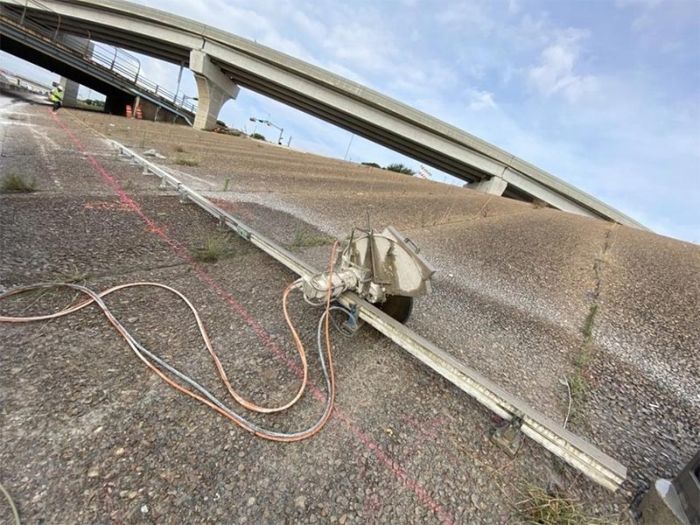
Discover how Ashton Sawing and Drilling uses advanced concrete wire sawing for precise, complex cuts in challenging construction and demolition projects.
By rladmin July 15, 2026
Discover the Science Behind Concrete Wire Sawing Precision matters when concrete structures demand clean separation, tight tolerances, and minimal disruption to surrounding materials. This blog breaks down the science behind concrete wire sawing and why it remains a trusted method for complex cutting projects in commercial and industrial settings. We bring our proven experience with […] The post The Science Behind Concrete Wire Sawing: Precision Cutting for Complex Projects appeared first on Ashton Sawing and Drilling.
By Ashton Sawing and Drilling July 13, 2026
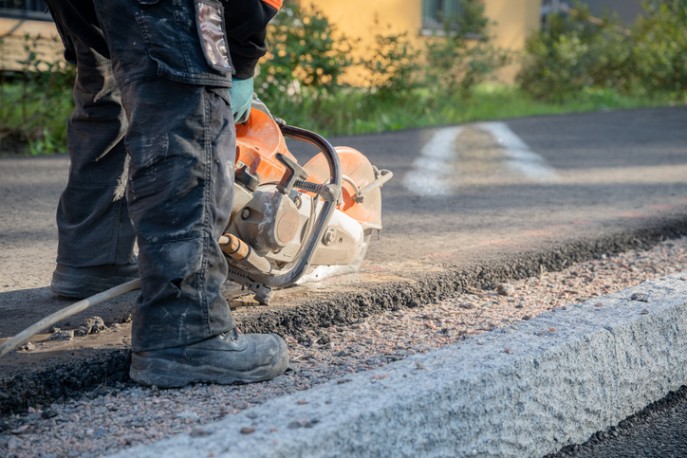
Learn how Ashton Sawing and Drilling improves road safety and performance with expert concrete grinding and grooving solutions for skid-resistant surfaces.
By rladmin July 13, 2026
Concrete Grinder and Grooving: Safety and Performance Safe, smooth roadways depend on precise surface work that improves traction and long-term durability. Our blog explains how a concrete grinder helps create safer driving conditions by refining rough surfaces and preparing them for consistent performance. Ashton Sawing and Drilling uses advanced grinding and grooving methods to help […] The post Concrete Grinding and Grooving: Enhancing Safety and Performance on Roads appeared first on Ashton Sawing and Drilling.
By Ashton Sawing and Drilling July 10, 2026
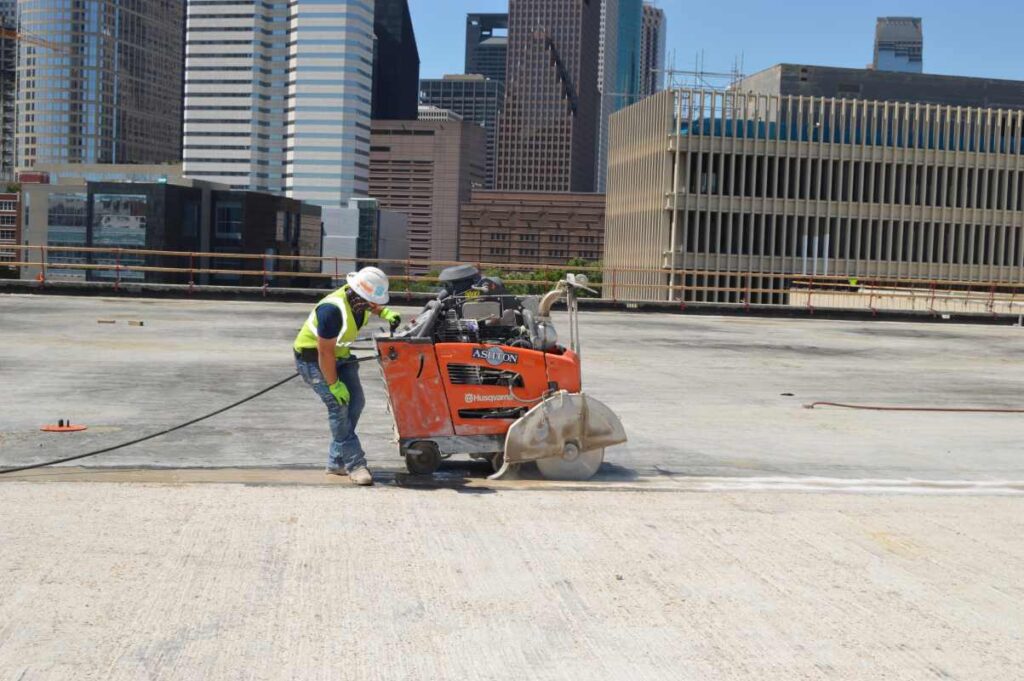
Explore how Ashton Sawing and Drilling has adopted cutting-edge methods, evolving from manual concrete cutting to advanced robotic precision solutions.
Show More