The Evolution of Concrete Cutting: From Manual Methods to Robotic Precision

Ashton Sawing and Drilling • July 10, 2026

Learn About the Evolution of Concrete Cutting Saw

Concrete cutting has come a long way from handled tools and slow, labor-heavy methods to today’s advanced systems built for accuracy and speed. Early crews relied on basic equipment that required time, strength, and constant adjustment. Modern jobs demand tighter tolerances, safer operations, and faster turnaround times. Ashton Sawing and Drilling has seen that shift firsthand while working with every type of concrete cutting saw technology in the field. This blog explores how innovative equipment, skilled operators, and robotic precision have changed the way concrete cutting gets done on real job sites.

What Is Concrete Cutting?

Concrete cutting removes or shapes concrete with controlled precision to meet structural and design needs on modern job sites. Crews rely on concrete saw cutting to create clean openings, expansion joints, and utility access points without damaging surrounding areas. This process uses specialized blades and equipment that handle reinforced concrete and dense materials. Proper techniques support accuracy, safety, and efficiency in project timelines. Skilled operators adjust cutting methods based on depth, thickness, and site conditions to deliver consistent results across commercial, industrial, and residential work.

Early Days: Manual Concrete Cutting Methods

Early construction work depended on simple, labor-intensive methods that required skill and patience to achieve clean results. Crews relied on manual concrete-cutting tools, such as chisels, sledgehammers, and basic hand saws, to shape and remove material. Each cut required steady control to manage depth and limit unwanted cracking. Progress often moved slowly because results depended on physical effort and experience. These foundational practices helped shape modern techniques and set the standard for precision in today’s advanced cutting methods.

The Introduction of Mechanical Cutting Equipment

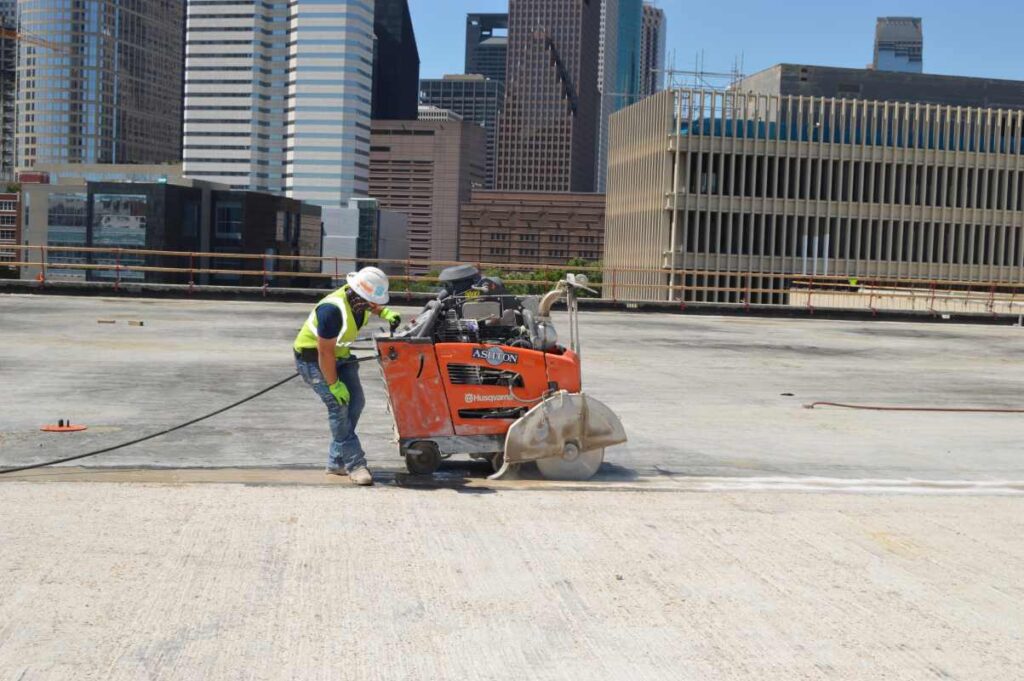
With the introduction of powered machinery, projects changed how concrete work was handled on active job sites. Contractors began using advanced concrete-cutting equipment, such as engine-driven saws and track-mounted systems, to improve speed and consistency. These machines allowed crews to make deeper, cleaner cuts with better control and reduced physical strain. Work timelines improved as cutting became faster and more predictable. This shift also supported safer operations, since modern equipment offered greater stability and precision compared to earlier manual methods.

Advancements in Diamond Cutting Technology

Diamond cutting technology brought a major step forward in precision and performance for concrete work. Specialized diamond-tipped blades deliver cleaner edges and maintain cutting strength when working through dense concrete and reinforced materials. Crews gain better control over depth and accuracy, which supports detailed work on structural and architectural projects. Equipment lasts longer since diamond segments wear at a slower, more consistent rate. This advancement helps improve efficiency on the job site while supporting dependable, high-quality results across a variety of cutting applications.

Rise of Specialized Machinery

Specialized machinery has taken concrete cutting to a new level of precision, control, and efficiency on active job sites. Equipment that’s designed for specific applications allows crews to handle complex cuts, tight spaces, and reinforced structures with greater confidence. These machines deliver consistent results across a wide range of project types, from large industrial work to detailed interior modifications. As equipment continues to advance, operators can complete tasks with improved accuracy, safer processes, and dependable performance under demanding conditions. Here are a few highlights of these specialized machines:

  • Wall Saws Wall saws use track-mounted systems to deliver straight, controlled cuts on vertical surfaces. Operators rely on them for doors, windows, and structural openings where clean edges and precise dimensions matter.
  • Wire Saws Wire saws use a looped cable with diamond segments to cut through thick or heavily reinforced concrete. This equipment works well in tight or challenging spaces where a traditional saw cannot operate easily.
  • Slab Saws Slab saws are designed for horizontal cutting on floors, roads, and bridge decks. These machines provide smooth, even cuts that support joint creation, repairs, and large surface removals.
  • Handheld Saws Handheld saws allow crews to perform detailed cutting in confined or hard-to-reach areas. Operators use them for smaller tasks that require flexibility and close control without sacrificing cutting power.
  • Core Drilling Machines Core drilling machines create precise circular openings for plumbing, electrical, and mechanical systems. These rigs support accuracy and clean edges, helping maintain structural integrity during installation.

Safety and Environmental Improvements

Safety and environmental practices have improved alongside advancements in concrete cutting techniques and equipment. Modern crews work with systems that protect workers, reduce site hazards, and limit the impact on surrounding areas. These updates help maintain cleaner jobs while supporting compliance with strict industry standards. Below are a few of the safety and environmental improvements:

  • Dust Control Systems – Modern cutting equipment uses water suppression and vacuum systems to reduce airborne dust during operation. These controls help improve air quality and protect workers and nearby crews.
  • Noise Reduction Technology – Advanced machinery is built with features that help lower noise levels on active job sites. This improvement supports safe working conditions and limits disruption in occupied or sensitive environments.
  • Enhanced Operator Safety Features – Cutting equipment now includes guards, automatic shutoffs, and improved handling controls for better protection. These features help reduce risk while allowing operators to maintain steady, controlled performance.
  • Efficient Waste Management – Crews follow structured processes to collect and dispose of slurry, debris, and removed concrete. Proper handling keeps job sites organized and supports responsible environmental practices.

Modern Era: Automation and Robotics in Concrete Cutting

Automation and robotics have reshaped concrete cutting, enabling greater control, consistency, and job-site efficiency. Modern systems allow operators to guide machines with precision, reducing manual handling and supporting accurate results on complex cuts. Robotic equipment works well in confined spaces and high-risk areas where safety matters most. Crews complete detailed work with steady performance while keeping timelines on track. These advancements continue to raise the standard for professional concrete cutting across commercial and industrial projects.

Challenges in Adopting Robotic Concrete Cutting

Adopting robotic systems for concrete cutting offers clear advantages, though it also presents practical challenges that crews must address before and during use. These systems require planning, skilled operation, and the right job site conditions to perform at a high level. Contractors must balance upfront investment with long-term efficiency and safety gains. Teams that adapt to factors like those below see strong results and smoother integration of robotic cutting into daily operations:

  • High Initial Investment – Robotic cutting systems require a high upfront cost for equipment and setup. Contractors must plan budgets carefully to ensure the investment supports long-term project goals and workload demands.
  • Specialized Training Requirements – Operators need proper training to control and maintain robotic equipment safely and effectively. Teams must commit time and resources to ensure workers understand system function and site applications.
  • Site Access Limitations – Some job sites present access challenges that can limit where robotic equipment can operate. Crews must evaluate space, structure, and layout before deployment to ensure proper positioning and performance.
  • Maintenance and Technical Support – Advanced systems require regular maintenance and occasional technical troubleshooting. Reliable support and routine service help keep equipment running and prevent costly downtime.

Move Forward with Proven Precision

Modern projects call for accuracy, efficiency, and equipment that performs under pressure. A reliable concrete cutting saw is key to achieving clean results that meet strict job requirements. Skilled crews, advanced tools, and strong planning keep work moving on schedule and on target. Ashton Sawing and Drilling delivers dependable solutions backed by years of field experience. Reach out today to discuss your project and get expert support that keeps your work moving forward with confidence.

Concrete Cutting FAQs

Can Reinforced Concrete Be Cut?

Yes, reinforced concrete can be cut using the right tools and techniques. Diamond blades and wire saws allow crews to handle steel reinforcement within the material.

Is Concrete Cutting Safe?

Concrete cutting is safe when trained professionals follow proper safety practices and use well-maintained equipment. Crews follow strict guidelines to protect both workers and job sites.

What Equipment Is Used for Concrete Cutting?

Crews use specialized tools such as wall saws, slab saws, wire saws, and core drilling machines. Each type of equipment serves a specific purpose based on the project scope and material.

What Types of Projects Require Concrete Cutting?

Many projects rely on concrete cutting, including roadway work, building renovations, utility installation, and structural modifications. It applies to both small-scale jobs and large industrial operations.

By Ashton Sawing and Drilling July 22, 2026
Discover how Ashton Sawing and Drilling supports advanced concrete placement techniques for complex, unique structures requiring precision and durability.
By rladmin July 22, 2026
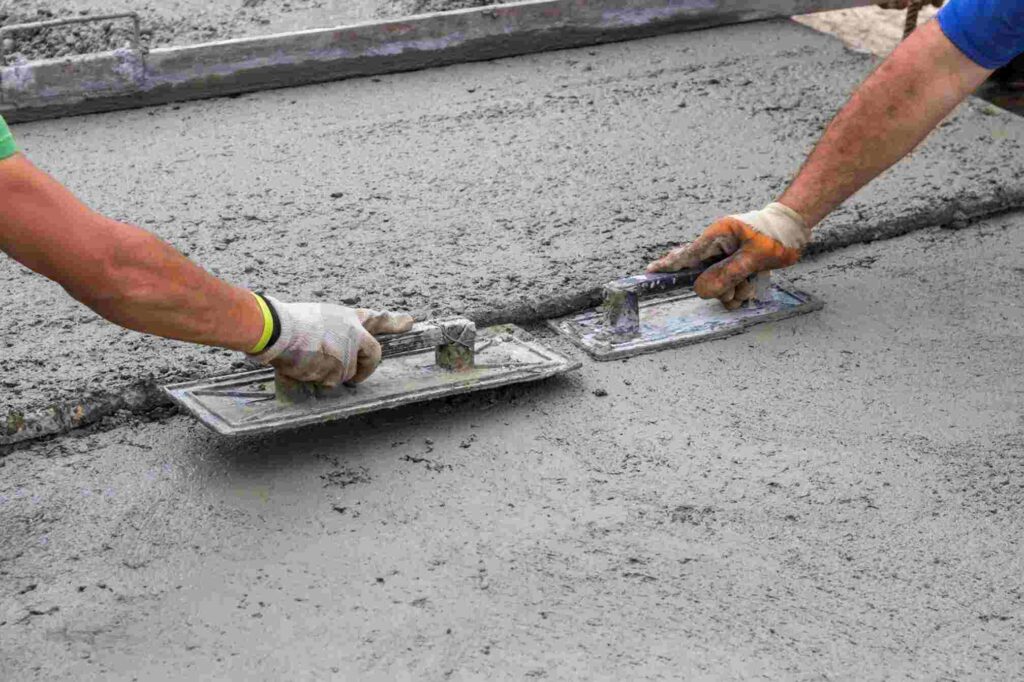
Learn About Specialty Concrete Placement Techniques Concrete placement helps shape structures that demand strength, precision, and long-term performance. Specialized methods allow crews to handle complex pours, tight timelines, and one-of-a-kind builds with confidence. This blog explores how advanced techniques and skilled execution bring unique designs to life while meeting structural project requirements. You can expect […] The post Revolutionizing Concrete Placement with Specialty Techniques for Unique Structures appeared first on Ashton Sawing and Drilling.
By Ashton Sawing and Drilling July 20, 2026
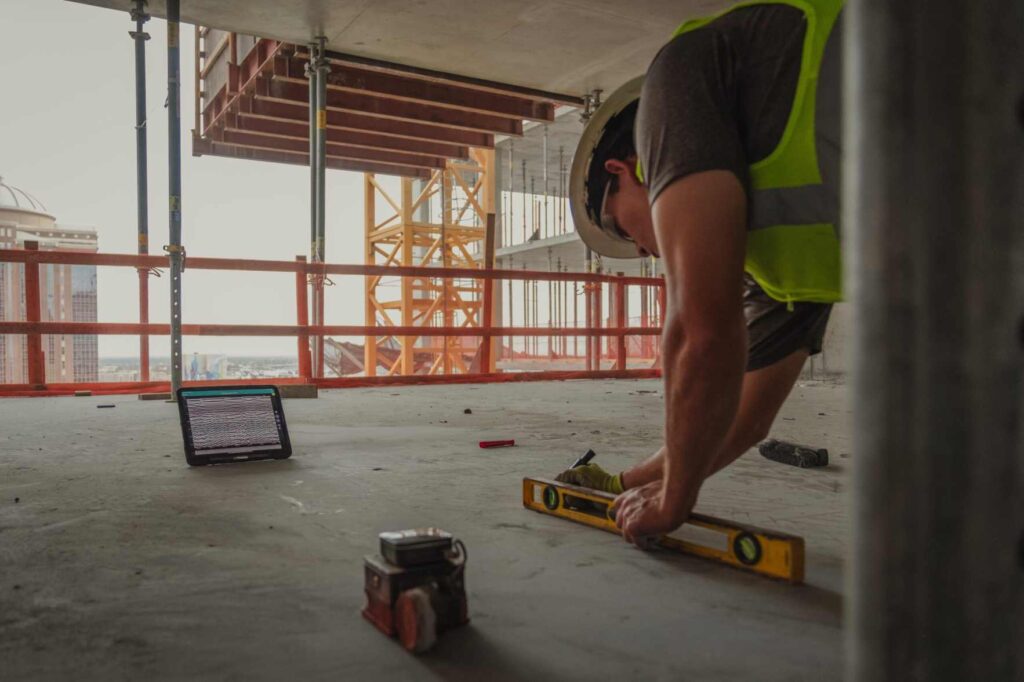
Discover how Ashton Sawing and Drilling uses advanced concrete scanning to detect hidden hazards and prevent costly mistakes in construction projects.
By rladmin July 20, 2026
Avoid Issues with Concrete Scanning Cost control and job site safety depend on knowing what lies beneath the surface before any cutting or drilling begins. This blog explains how concrete scanning helps crews locate embedded utilities, rebar, post-tension cables, and voids with accuracy, reducing delays and keeping projects on track. Our team has experience using […] The post Concrete Scanning: The Key to Avoiding Costly Mistakes in Construction appeared first on Ashton Sawing and Drilling.
By Ashton Sawing and Drilling July 17, 2026
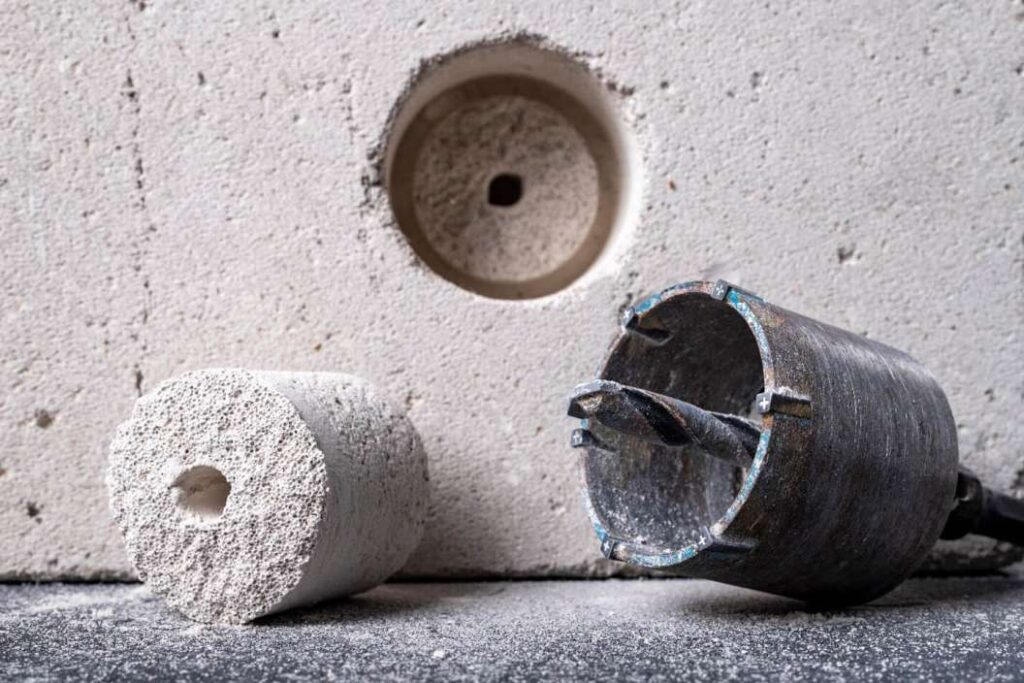
Learn how Ashton Sawing and Drilling ensures safe, accurate core drilling with industry best practices for efficient and precise concrete cutting projects.
By rladmin July 17, 2026
Discover the Best Practice for Concrete Core Drilling Core drilling demands steady hands, the right equipment, and a clear plan for every cut. This blog breaks down proven best practices that keep projects on track while protecting crews, structures, and timelines. A well-executed concrete core drill supports clean openings for plumbing, electrical, and structural needs […] The post Core Drilling Best Practices: Ensuring Accuracy and Safety in Every Project appeared first on Ashton Sawing and Drilling.
By Ashton Sawing and Drilling July 15, 2026
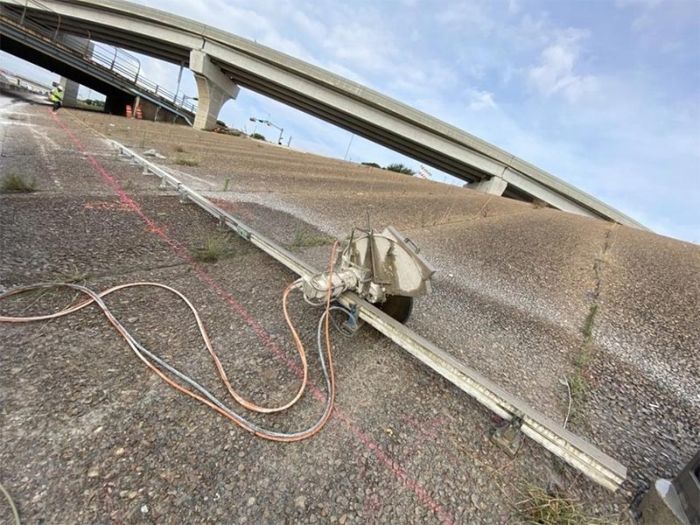
Discover how Ashton Sawing and Drilling uses advanced concrete wire sawing for precise, complex cuts in challenging construction and demolition projects.
By rladmin July 15, 2026
Discover the Science Behind Concrete Wire Sawing Precision matters when concrete structures demand clean separation, tight tolerances, and minimal disruption to surrounding materials. This blog breaks down the science behind concrete wire sawing and why it remains a trusted method for complex cutting projects in commercial and industrial settings. We bring our proven experience with […] The post The Science Behind Concrete Wire Sawing: Precision Cutting for Complex Projects appeared first on Ashton Sawing and Drilling.
By Ashton Sawing and Drilling July 13, 2026
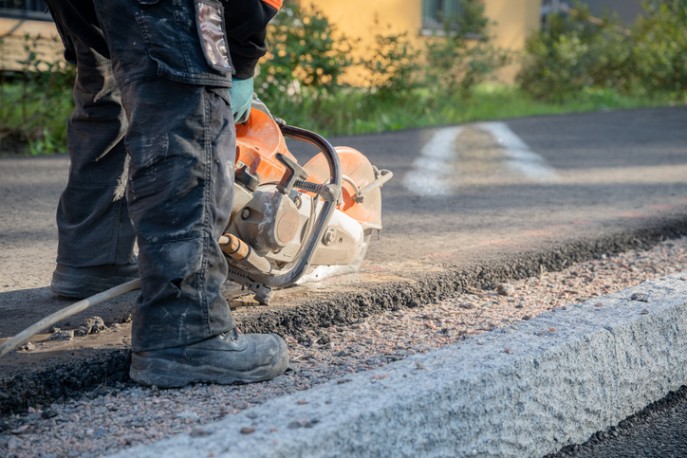
Learn how Ashton Sawing and Drilling improves road safety and performance with expert concrete grinding and grooving solutions for skid-resistant surfaces.
By rladmin July 13, 2026
Concrete Grinder and Grooving: Safety and Performance Safe, smooth roadways depend on precise surface work that improves traction and long-term durability. Our blog explains how a concrete grinder helps create safer driving conditions by refining rough surfaces and preparing them for consistent performance. Ashton Sawing and Drilling uses advanced grinding and grooving methods to help […] The post Concrete Grinding and Grooving: Enhancing Safety and Performance on Roads appeared first on Ashton Sawing and Drilling.
Show More